Global Design System
Unifying TikTok’s advertiser experience across every touchpoint globally
I led the design and brand architecture and cross-platform production for TikTok’s advertiser experience globally. Unifying templates, style guides, playbooks, SOPs, video, eLearning and brand identity into one advertiser experience across every TikTok touchpoint.
Product
TikTok
My role
Global Design Lead and Learning Experience Designer
Timeline
Q2 2023 – Q2 2025
Skills
Branding, Graphic design, Motion design, Learning Experience Design, Interactive prototyping, User testing, Stakeholder management, Design Systems
Team
Learning Experience & Analytics | Business Integrity | Advertiser Experience
Problem: Inconsistent Advertiser Experience
Advertiser business and education at TikTok didn’t live in one place. It lived in the TikTok Business Help Center, the Micro-Learning Center in TikTok Ads Manager, TikTok Academy, stand alone assets like one-pagers, email campaigns, and a growing list of sub-brands like Partner Development Specialists or the Policy & Risk Bootcamp.
Each one built at a different time, by different teams, with no shared visual or instructional logic holding them together. Advertisers moving between those surfaces were relearning visual communication every time.
Challenge
The challenge I set out to solve was consistency at scale, across formats (video, eLearning, web, print, swag), across teams, and across every future product that would get added to the roster. The expectation when I started was a cohesive advertiser experience that could absorb new initiatives without each one reinventing its own look, tone and production pipeline.
Process
I started by mapping the terrain before designing anything: I identified and documented the full advertiser ecosystem governance, to see how these surfaces actually connected from the advertiser’s point of view.
Solution: Ecosystem Design
The brief wasn’t to redesign one product, it was to architect the ecosystem underneath all of them: the governance, the templates, the brand assets and the production systems that let every surface feel like one TikTok, not five disconnected tools.
From there, I built the production backbone that would let a consistent visual language travel across all of it: scalable content templates in Canva, Articulate Rise, Storyline, Camtasia, Adobe Illustrator, PowerPoint and Google Sites, each one engineered so a designer anywhere in the org could produce on-brand work without starting from zero.
I opened the conversation with the Keystone team on system usage, and prescribed asset repository alternatives like the TikTok brand spot to drive adoption further.
What made this approach the right one was refusing to treat any single deliverable as the unit of work. A logo, a video template, an SOP, a one-pager, none of them existed in isolation, they were all instances of the same underlying system, so I built style guides and playbooks (the Ad Policy TikToks playbook, the TikTok Academy standardization playbook, the Infograph Design Process SOP, the Animation/GIF Process SOP) that let other designers and instructional designers extend the ecosystem correctly without me in the room. I wrote the NPS/CSAT questionnaire once and deployed it identically across every education initiative, so leadership could compare apples to apples instead of five different measurement standards.
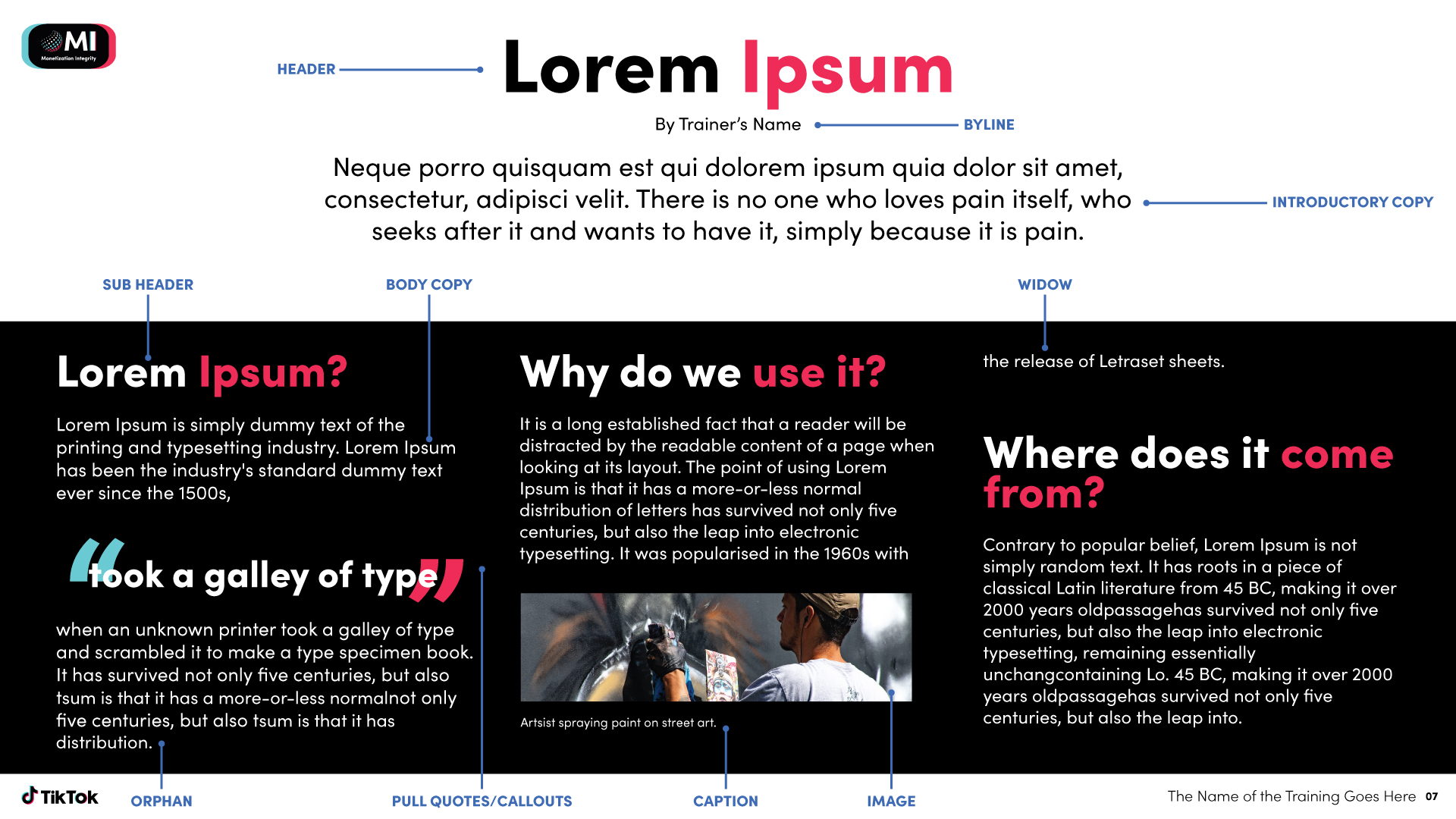
Ad Policy TikToks Styleguide
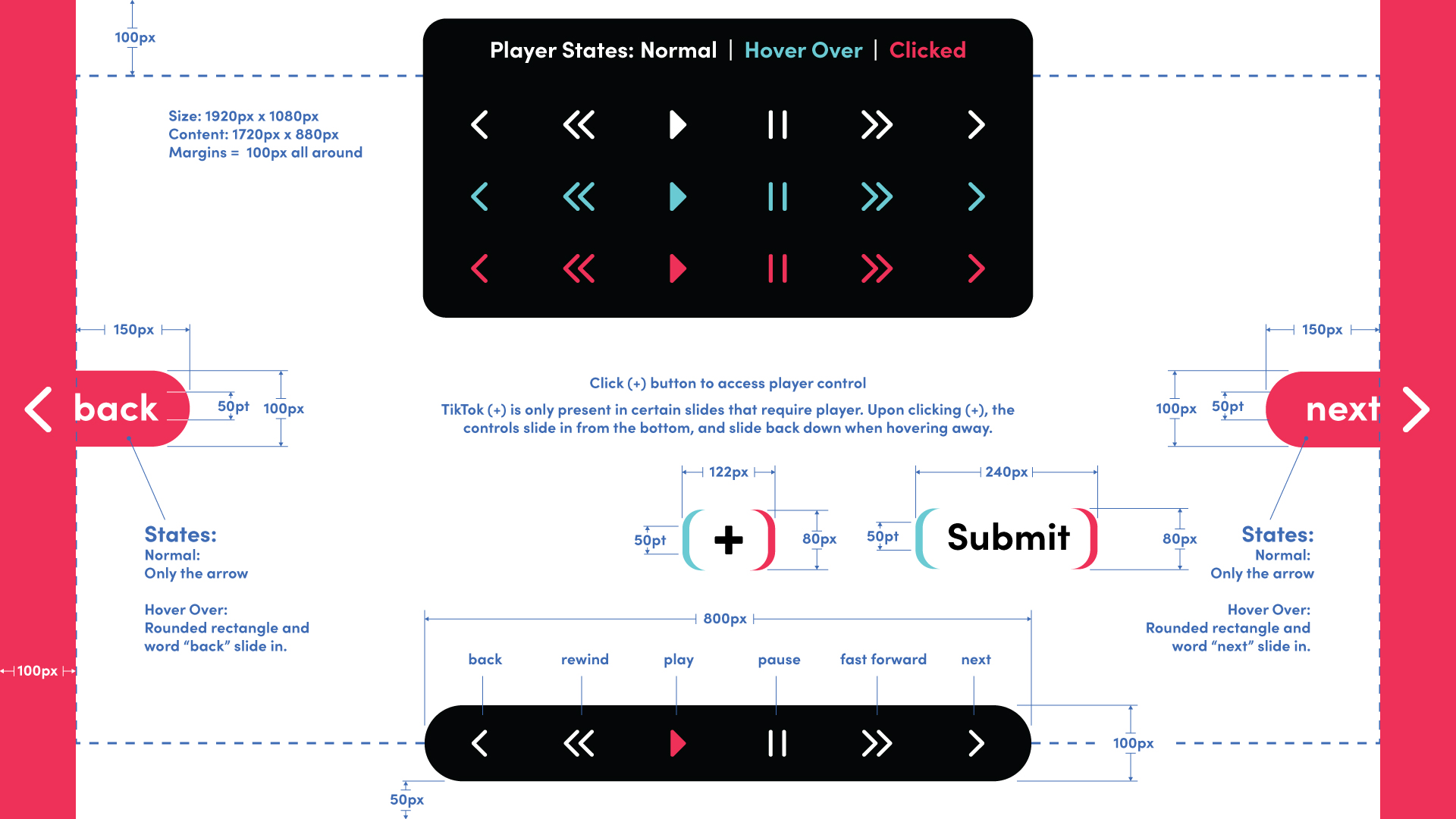
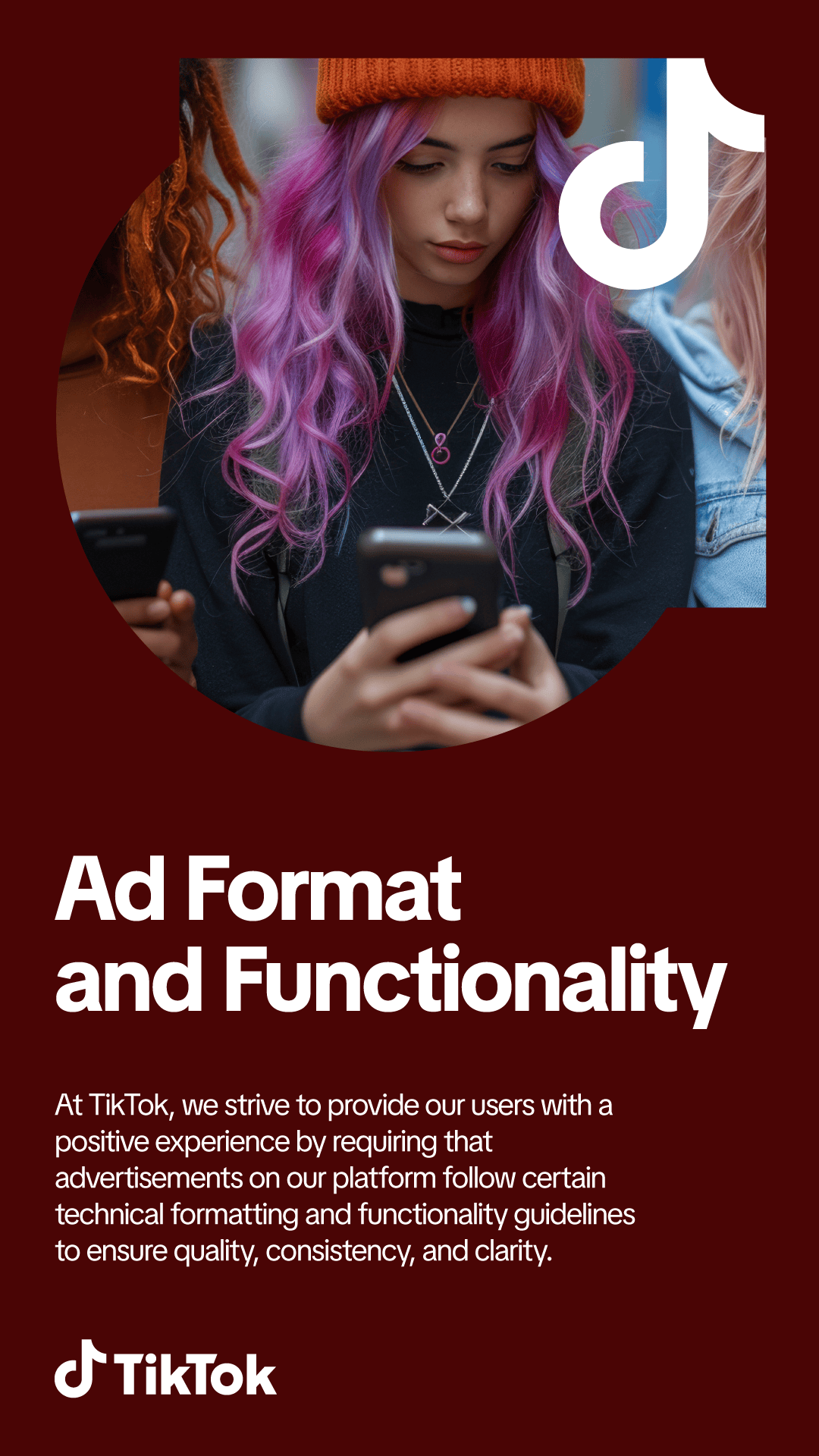
TikTok Academy Playbook
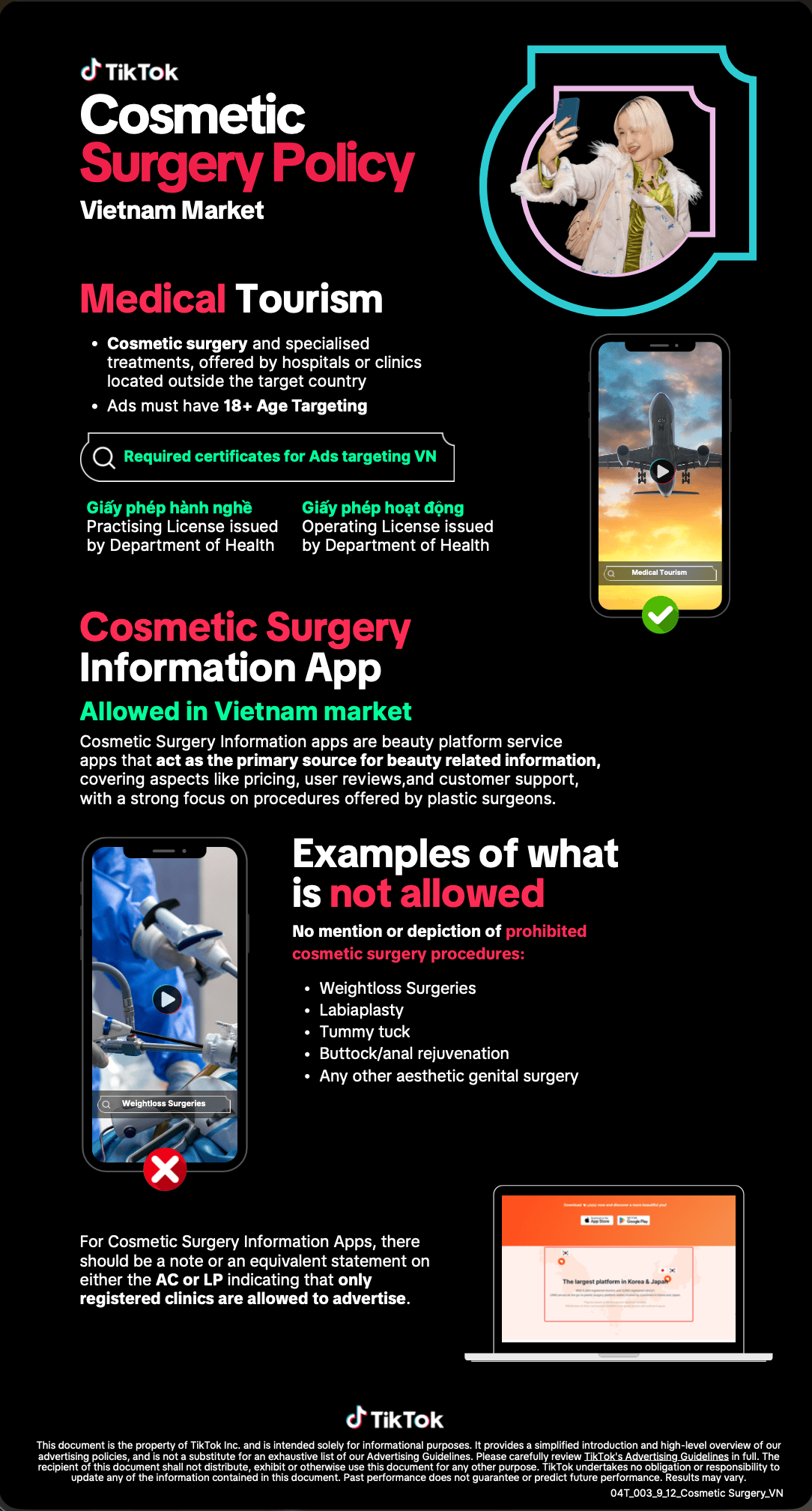
Infograph Design Process SOP
The surprising insight: the hardest part of ecosystem-level design wasn’t the visual system, it was governance, getting Product, Policy, Legal, Localization and outsourced design agencies to build inside the same guardrails, required design briefs as rigorous as the templates themselves, so I authored those briefs and ran composite design review sessions with the Advertiser Pod and outsourced agencies to hold them to the standard.
AI-Assisted Content Operations
I evaluated internal AI tools to determine how they could improve content-development speed, quality and accuracy while remaining aligned with organizational and compliance requirements.
My work included:
- Testing AI tools for workflow effectiveness
- Identifying opportunities to automate repetitive production tasks
- Developing playbooks and usage best practices
- Facilitating hands-on working sessions with cross-functional teams
- Integrating approved AI tools into the MIBT toolkit
- Collecting stakeholder feedback to improve implementation
- Prompt-engineering and establishing governance for the ChatGPT TT4B Writing Bot
The TT4B Writing Bot was designed to accelerate content creation while maintaining established writing, brand and compliance standards. Supporting documentation helped teams understand where AI could add value and how to use it responsibly.
Impact
This became the invisible infrastructure behind nearly every advertiser-facing product TikTok shipped in Monetization Integrity, as well as Business Integrity verticals and I’m genuinely proud that it held up as the ecosystem grew rather than cracking under its own scale.
This wasn’t a single hero project with a single hero number, it was proof that design systems thinking can hold an entire product ecosystem together at global scale, across video, motion graphics, eLearning, web, print and brand identity simultaneously.
40% increase in Business Help Center CSAT scores after video integration
Cut development time by 20% to 50% depending on format
Adopted and implemented globally across the NA, LATAM, EMEA, APAC regions
Reduction of 50% Strike Rejection Rate through Micro Learning Center
700+ integrity education videos published using motion templates and AI workflows
TikTok channel subscribers: 4,892. TikTok channel views: 127,929
MLC achieved the highest CSATs among BI in TTAM platform (4.12 out of 5.0)
Content translated and delivered in 38 languages
Global advertiser support site generated 2,400 views and 8,700 interactions across 199 cities in 10 countries. 93.3% of surveyed users rated the support site either 4 or 5 out of 5.
Design Samples
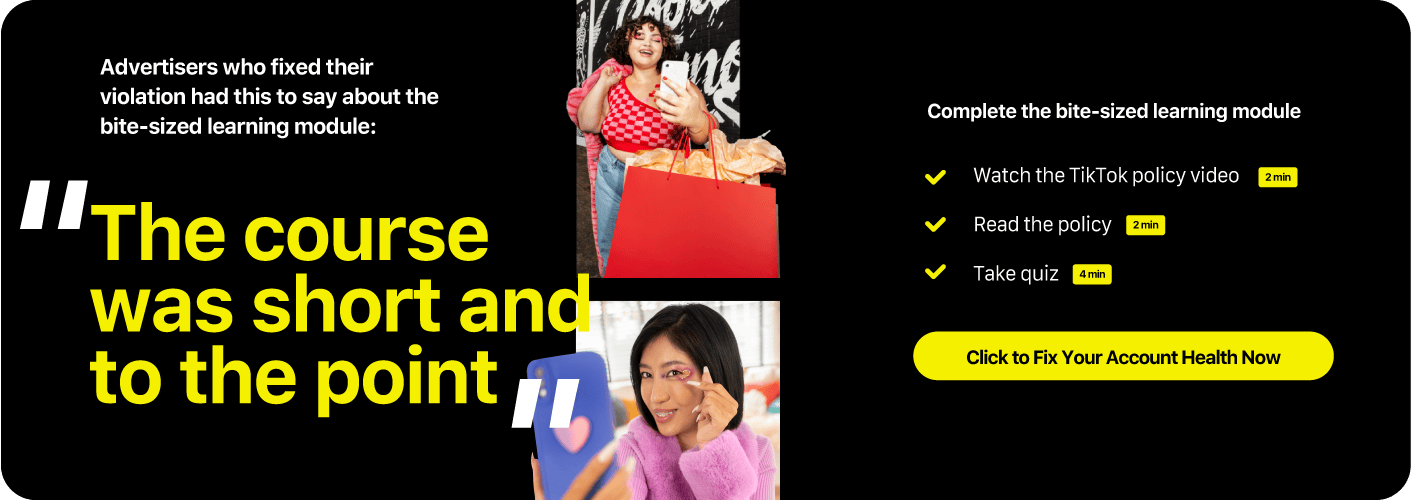
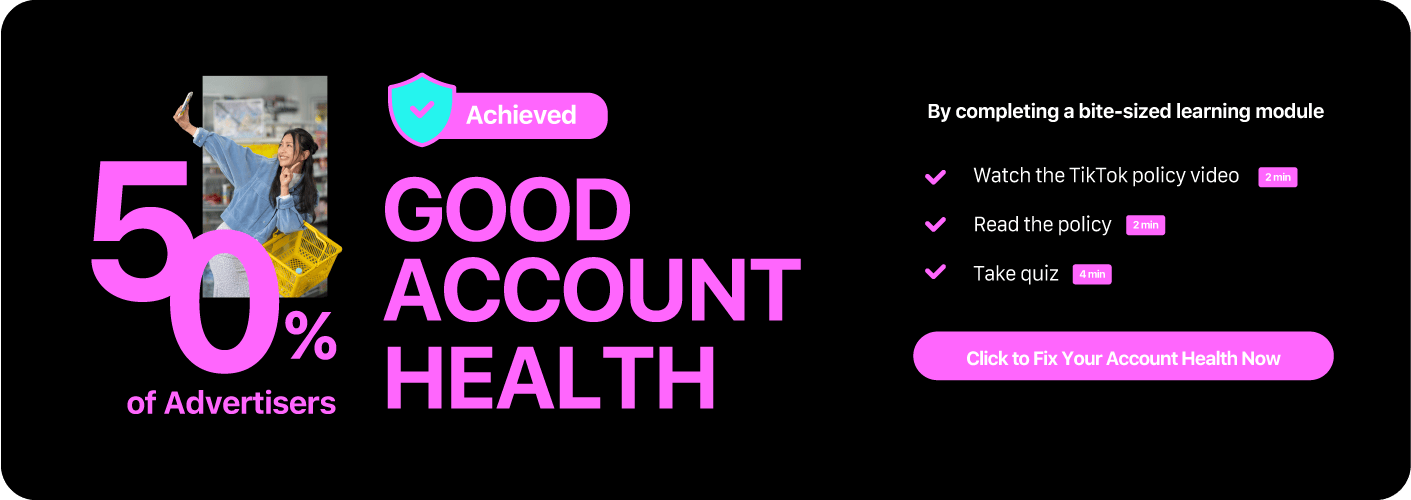
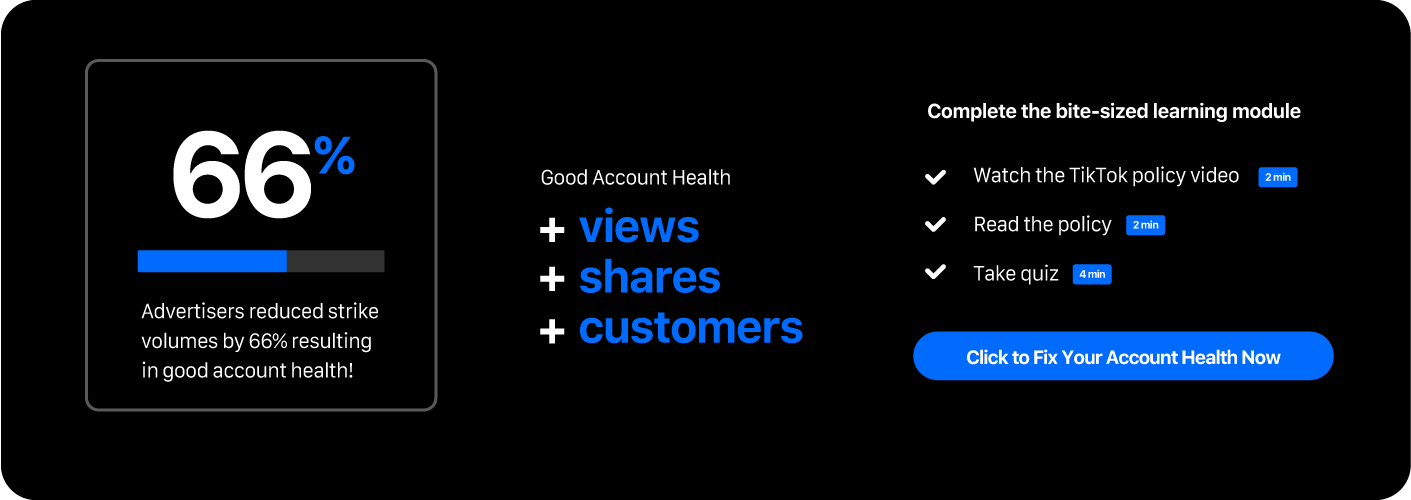
Email Banners
Motion Graphics
Iconography
Outcome
Cohesive advertiser experience shipped across:
- Make Good Action Micro-Learning (eLearning, one-pagers, quizzes)
- TikTok Policy Videos (motion graphics, kinetic typography)
- TikTok Academy (eLearning catalog, Rise templates)
- Partner Development Specialists (brand, toolkit, microsite)
- AdEx Policy Query Process (form, campaign assets, ILT/webinar deck)
- SMB Growth email campaigns (multi-layout templates)
- SMB integrity education infographics
- Policy & Risk Bootcamp (branding, infographics, hero images, webinar assets, swag)
- The Design Template Suite itself (infographs, ILTs, video, animation, banners)
Result: Improved Design Quality, Brand Alignment, Capacity and Operational Efficiency
The design system was not limited to advertiser-facing experiences. I also created the processes, standards and enablement resources required for internal teams to apply it consistently across regions.
This work supported MI Training’s quality and capacity goals by reducing production friction, accelerating onboarding and making design knowledge accessible to team members with different levels of visual-design experience.
Upskilling MI Teams
A scalable system depends on people having the skills and confidence to use it. I paired the templates and documentation with live enablement opportunities.
I organized and facilitated regional Canva workshops for Training Experts, focusing on faster production and stronger visual quality for sales and advertiser education.
I also:
- Hosted a Graphic Design Bootcamp covering design fundamentals, tools and production best practices
- Contributed the Visual Design Basics section to the Certified Auxiliary Trainer program
- Curated accessible visual-asset resources for trainers and content developers
- Conducted individual working sessions tailored to specific stakeholder needs
- Helped teams troubleshoot active design and production challenges
- Facilitated cross-functional working sessions to strengthen collaboration and alignment
These initiatives expanded design capability beyond a central creative function. Teams could produce higher-quality materials independently while continuing to work within a shared system.
Expanded Business Impact
Customer Experience
- Advertising-policy videos contributed to an average 40% increase in positive Business Help Center CSAT scores within 30 days.
- Interactive animations and infographics improved policy comprehension and increased moderator accuracy by up to 16%.
- Consistent layouts and interaction patterns made complex policies easier for advertisers to navigate and understand.
- Uniform standards supported consistent guidance across platforms, languages and regions.
Production Efficiency
- The Design Template Suite reduced development time by approximately 50%.
- Standardized templates, video frameworks and asset repositories reduced broader content-development time by approximately 40–50%.
- The APAC Policy and Risk Bootcamp implementation saved approximately 15 production hours.
- Individual infographic projects saved four to six design hours through standardized templates, with up to four additional hours saved through centralized asset access.
- Internal tools and reusable video templates reduced dependence on specialized software and design resources.
Organizational Capability
- More than 465 views of standards and process documentation demonstrated global adoption across four regions.
- The North America onboarding resource reached 265 views and helped new Instructional Designers develop skills more quickly.
- Workshops, bootcamps and individual working sessions increased the team’s ability to produce professional, brand-aligned content independently.
- Portfolio and content-management strategies improved discoverability, governance and reuse.
- Centralizing infographic content in the Policy Content Center created a more reliable source of truth.
Connecting the Learning Journey
Every component was designed to guide advertisers toward the next useful action.
For example, Business Help Center infographic templates included a standardized call to action linking users to related TikTok Academy courses. This connected quick-reference policy guidance with deeper eLearning and helped bridge previously separate learning environments.
A unified NPS and CSAT questionnaire was also introduced across integrity education experiences, creating a more consistent framework for evaluating engagement, satisfaction and effectiveness.
Impact
The design system improved both the advertiser experience and the internal content-production process.
Advertiser Experience
- Advertising-policy videos embedded in Business Help Center articles contributed to an average 40% increase in positive CSAT scores within 30 days.
- Interactive animations and infographics improved global policy comprehension and increased moderator accuracy by as much as 16%.
- Consistent visual and interaction patterns made complex policy information easier to recognize, navigate and understand.
- Uniform standards helped support policy education across languages, regions and platforms.
Operational Efficiency
- Standardized templates, video frameworks and asset repositories reduced content-development time by approximately 40–50%.
- Reusable infographic templates saved an average of four to six production hours per asset.
- The centralized graphic repository saved as much as four additional hours previously spent sourcing and preparing visual assets.
- Modular content enabled teams to reuse policy education across multiple platforms instead of rebuilding it for every channel.
- Shared guidelines improved collaboration between internal teams, regional partners and external agencies.
Outcome
The project transformed a collection of disconnected advertiser education initiatives into a cohesive, scalable global ecosystem. Advertisers could move more naturally between policy discovery, short-form education, formal training and ongoing support while encountering a consistent visual language across every touchpoint.
By combining brand-system thinking, learning experience design and modular content strategy, I created a framework that helped TikTok deliver clearer and more consistent policy education to advertisers globally.
The system improved learner satisfaction and comprehension while giving internal teams the templates, standards and reusable assets needed to produce high-quality education more efficiently.
The system delivered measurable improvements for both advertisers and internal production teams:
- Advertising-policy videos embedded in Business Help Center articles contributed to an average 40% increase in positive CSAT scores within 30 days.
- Interactive animations and infographics improved global policy comprehension and increased moderator accuracy by up to 16%.
- Standardized templates, video frameworks and asset repositories reduced content-development time by approximately 40–50%.
- The global advertiser support site generated 2,400 views and 8,700 interactions across 199 cities in 10 countries.
- 93.3% of surveyed users rated the support site either 4 or 5 out of 5.
- The support-site framework was adopted as a template for implementation across LATAM, EMEA and APAC.
- Reusable templates and centralized assets saved teams as much as eight to ten hours during the production of some infographics, depending on their complexity and asset needs.
- An average 40% increase in positive Business Help Center CSAT after policy videos were introduced
- Up to a 16% improvement in moderator accuracy
- Approximately 40–50% faster content development
- More than 620 completions for a template-supported video course
- A 4.72-out-of-5 learner confidence rating
- Approximately 15 hours saved during one regional bootcamp implementation
- More than 465 views of global process and standards documentation
- Adoption across APAC, EMEA, LATAM and North America
Beyond the individual metrics, the most meaningful outcome was establishing a system that could continue to scale. Teams gained a shared visual language, reusable production tools and a modular content strategy that made it easier to deliver clear and consistent policy education across platforms, formats, languages and regions.
I am particularly proud that the work improved two sides of the experience at once. Advertisers received clearer, more engaging and more connected educational journeys, while internal teams gained a faster and more reliable way to produce high-quality content. What began as a design-standardization initiative became a practical framework for improving comprehension, operational efficiency and trust across TikTok’s global advertiser ecosystem.
I am especially proud that the project improved both the customer experience and the organization’s ability to deliver it. It did not produce only a library of polished assets. It created a sustainable operating model that connected design quality, learning effectiveness, production efficiency and global scalability.
What began as a visual-consistency initiative evolved into a framework for how TikTok could create, govern, measure and scale advertiser integrity education globally.
Credits
Learning Experience Design: David Gonzalez
Brand and Visual-System Design: David Gonzalez
UX and Content Strategy: David Gonzalez
Template and Toolkit Development: David Gonzalez
Multimedia and Motion Design: David Gonzalez
Cross-Functional Partners: Advertiser Pod, Policy, PSO, BI AdEx, PRD, Keystone Design System team and regional stakeholders
One Pager Infographs


Instructor Led Educational Decks